Luck versus skill which has the greater impact on gambling success
Luck versus skill which has the greater impact on gambling success
The Nature of Gambling
Gambling has been an integral part of human culture for centuries, evolving from informal games in ancient societies to the sophisticated casinos and online platforms we see today. This evolution has sparked a debate about the role of luck and skill in determining success. Many people view gambling as a game of chance, where outcomes are primarily influenced by luck, while others argue that skillful play can significantly enhance the probability of winning. For instance, players can enjoy the Chicken Road game, which requires both strategy and a bit of luck for success.

The psychological aspects of gambling also play a crucial role in this debate. Players often attribute their wins to skill and their losses to bad luck, a cognitive bias known as the self-serving bias. This phenomenon can lead players to overestimate their abilities, particularly in games where skill can indeed influence outcomes, such as poker or blackjack. Understanding the interplay between luck and skill is essential for any gambler aiming for long-term success.
Luck is often described as a force that can favor or disfavor an individual without any predictable patterns. In gambling, luck is particularly significant in games such as slot machines and roulette, where the outcome is purely random. Players may experience hot and cold streaks, which can lead to significant gains or losses over a short period. This randomness makes it difficult to predict outcomes, solidifying the notion that luck plays a dominant role in gambling.
However, it’s essential to recognize that luck is not uniformly distributed. Some players may experience more favorable outcomes than others purely by chance. While this aspect can be frustrating for serious gamblers, it highlights the inherent unpredictability of gambling, where even the most skilled players can have off days and vice versa.
Skill in gambling refers to the ability to make informed decisions that can improve one’s odds of winning. Games like poker, blackjack, and sports betting heavily rely on a player’s knowledge, strategy, and analytical thinking. By applying mathematical concepts and psychological insights, skilled players can reduce the house edge and increase their chances of success.
Moreover, the development of strategies can lead to a deeper understanding of game mechanics and player behavior. For example, a skilled poker player can read their opponents effectively and adjust their strategy based on the situation. This skill set can make a significant difference in long-term outcomes, demonstrating that while luck is a factor, skill can provide an essential advantage in various gambling scenarios.
The relationship between luck and skill in gambling is complex and varies across different games. In some cases, such as slots and roulette, luck is the predominant factor, whereas in games like poker and blackjack, skill can tip the scales in favor of the player. Understanding this balance can help gamblers make informed choices about which games to play and how to approach them.
Ultimately, a successful gambling strategy often involves recognizing when to rely on luck and when to apply skill. Experienced gamblers understand that while they cannot control every outcome, they can manage their gameplay by focusing on games where skill plays a more substantial role, thereby maximizing their potential for success.
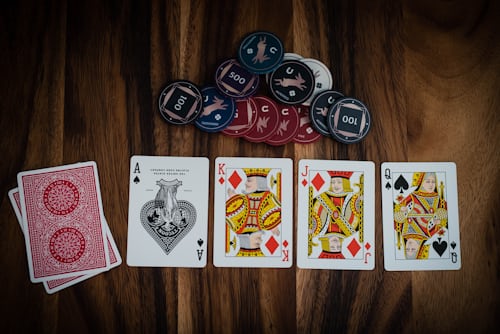
In the modern era, online gambling platforms have transformed the way people engage with games of chance and skill. These platforms offer a vast array of games, providing players with opportunities to explore both luck-based and skill-based options. With interactive features, real-time play, and a community of fellow gamblers, online casinos create an engaging environment that caters to diverse preferences.
For those interested in enhancing their gambling success, it’s crucial to choose platforms that offer games with favorable odds and opportunities to practice and develop skills. As more players turn to online gaming, understanding the dynamics of luck and skill can lead to a more fulfilling and potentially profitable experience in the world of gambling.
“`
