Categoria: Public

Casino Digital Displays


Casino digital displays present changing information on screens throughout an entertainment property. They may show event times, restaurant details, directions, or general announcements, depending on the location and intended audience of each screen.

Content teams need a reliable way to update messages and remove information that is no longer relevant. Screen placement also matters, because reflections, viewing angles, and surrounding visual activity can affect whether a message is actually noticed.

Within a larger property, this subject connects to services that visitors may not immediately notice. Staff schedules, delivery routes, storage areas, and cleaning routines all influence how a public space operates. Coordination between these activities helps the visible part of the venue remain consistent during both quiet hours and periods of heavier use.

Periodic review allows a property to compare its intended arrangements with actual daily use. Useful questions concern access, comfort, waiting, maintenance, and the clarity of information. These observations do not require every space to look the same; they help each area perform its particular role within the larger venue.

Consistency does not mean that every area must have an identical character. A property can contain quiet rooms, active public spaces, and formal service settings while using the same underlying approach to directions and communication. This combination allows variety without requiring visitors to learn a completely new system at every doorway.

Digital displays are useful when current content and careful placement work together, rather than when screens simply fill available wall space. Its role becomes clearer when viewed alongside the rest of the building, including the routes, services, and staff activities that connect the individual area with the wider experience of visiting an entertainment property.

Poker Rooms


Poker rooms are dedicated areas where card games take place at a group of tables. They may operate as separate rooms or as clearly identified sections within a larger casino, with their own seating and service arrangements.

A room needs a way to organize available tables and communicate with people waiting for a place. Scheduled events can require additional planning for registration, breaks, and the movement of participants between tables.

The experience of a space can change with the time of day and the number of people present. An arrangement that feels spacious during a quiet afternoon may need more active management before an evening event. Observing ordinary patterns of use provides useful information about where additional signs, assistance, or room may be needed.

Information should be presented in a form that suits its audience. Visitors usually need a concise explanation of where to go or what is available, while staff may require more detailed instructions. Keeping these purposes distinct helps avoid crowded signs and makes internal procedures easier to maintain when arrangements change.

There is no single arrangement that suits every destination. The age of the building, available floor area, surrounding transport, and mix of facilities all influence the choices available. A city property and a spacious resort may address similar needs through different layouts, even when they offer broadly comparable services to their visitors.

The room functions as a distinct operational environment, combining shared card equipment with organized seating and clear communication. Looking at the subject in this broader context helps explain why apparently small decisions can matter to several departments and why practical arrangements deserve attention alongside the more visible features of a venue.

Casino Customer Service


Casino customer service covers the assistance provided to visitors across an entertainment property. It includes answering questions, explaining services, directing people to the correct department, and responding to concerns about the experience of a visit.

Many requests are resolved through simple clarification, while others require coordination between teams. Recording the issue accurately can help prevent a visitor from repeating the same explanation when responsibility passes from one employee to another.

Public entertainment properties bring together people with different expectations and levels of familiarity with the building. Some visitors follow a planned schedule, while others explore the available facilities. Clear information and recognizable service points help both groups make practical decisions without needing to understand the internal organization of the property.

The size of a property influences how responsibilities are divided. A smaller venue may use a compact team across several functions, while a larger complex can support specialized departments. In either case, visitors encounter the combined result, so communication between the people delivering different services remains an important practical concern.

The wider setting also matters. A property beside a busy street faces different arrival patterns from one reached mainly by private transport. Nearby hotels, event spaces, and public routes can influence the flow of visitors, making the relationship between the venue and its surroundings part of everyday operational planning.

Consistent service depends on communication and follow-through, particularly when a property contains many different facilities and points of contact. The details may differ between properties, but examining how people use the space provides a consistent way to understand its purpose and identify the everyday connections that support the complete visitor experience.

Casino Acoustics


Casino acoustics concerns the way sound travels through an entertainment property. Music, conversation, machines, announcements, and live performances may overlap, making the shape and surface treatment of rooms important parts of the visitor experience.

Soft furnishings and sound-absorbing finishes can change how strongly noise is reflected. The position of loudspeakers and the separation between active and quiet rooms also influence whether visitors can hold a conversation or understand spoken information.

The experience of a space can change with the time of day and the number of people present. An arrangement that feels spacious during a quiet afternoon may need more active management before an evening event. Observing ordinary patterns of use provides useful information about where additional signs, assistance, or room may be needed.

Periodic review allows a property to compare its intended arrangements with actual daily use. Useful questions concern access, comfort, waiting, maintenance, and the clarity of information. These observations do not require every space to look the same; they help each area perform its particular role within the larger venue.

Temporary conditions can reveal details that are less noticeable during routine operation. A busy performance, a maintenance closure, or a change in weather may alter how people use the building. Reviewing these situations helps teams prepare practical alternatives and keep their explanations consistent when the normal arrangement is unavailable.

Acoustic planning connects architecture with daily operation, particularly where different activities take place beside one another. Looking at the subject in this broader context helps explain why apparently small decisions can matter to several departments and why practical arrangements deserve attention alongside the more visible features of a venue.

Casino Wayfinding


Casino wayfinding describes the signs and visual cues that help people move through an entertainment property. It includes direction boards, maps, room numbers, recognizable landmarks, and the relationship between corridors and major public destinations.

A visitor may need to find a restaurant, a hotel lift, an event entrance, or a route back to parking. Consistent names and symbols help connect these journeys, especially when several buildings or levels are involved.

The relationship between appearance and function is especially important in a frequently used venue. Decorative choices contribute to character, but the same materials and objects must also withstand cleaning, movement, and repeated handling. A design can remain attractive for longer when maintenance requirements are considered before the space begins operating.

Routine observation is an important part of managing this environment. Staff can note recurring questions, worn surfaces, difficult routes, or delays that are not obvious from a drawing. These observations provide a practical starting point for small improvements and help distinguish a temporary inconvenience from an issue that appears repeatedly.

Consistency does not mean that every area must have an identical character. A property can contain quiet rooms, active public spaces, and formal service settings while using the same underlying approach to directions and communication. This combination allows variety without requiring visitors to learn a completely new system at every doorway.

Good wayfinding reduces uncertainty by presenting useful information at the point where a visitor needs to make a decision. Over time, changes in visitor patterns and service arrangements may call for adjustments, making regular observation a useful complement to the original design and to the procedures established when a facility first opens.

Casino Theatres


Casino theatres are performance venues located within casino properties or associated entertainment complexes. Their programs may include concerts, comedy, stage productions, or other scheduled events that attract audiences independently of the gaming facilities nearby.

A theatre requires attention to stage visibility, audience seating, backstage access, and the movement of people before and after a show. Its daily operating rhythm can differ considerably from the continuous activity of an adjacent gaming room.

Public entertainment properties bring together people with different expectations and levels of familiarity with the building. Some visitors follow a planned schedule, while others explore the available facilities. Clear information and recognizable service points help both groups make practical decisions without needing to understand the internal organization of the property.

Information should be presented in a form that suits its audience. Visitors usually need a concise explanation of where to go or what is available, while staff may require more detailed instructions. Keeping these purposes distinct helps avoid crowded signs and makes internal procedures easier to maintain when arrangements change.

The most informative assessment considers the entire journey through the property. A comfortable room can still be difficult to use if it is poorly signposted, and a clear entrance can lead to confusing internal routes. Looking at these connections gives a fuller picture than judging individual features entirely in isolation.

Coordinating performances with the surrounding property helps the theatre retain its own identity without creating confusion for arriving audiences. The details may differ between properties, but examining how people use the space provides a consistent way to understand its purpose and identify the everyday connections that support the complete visitor experience.

Casino Housekeeping


Casino housekeeping maintains the cleanliness and presentation of accommodation and public spaces. The work may involve guest rooms, corridors, washrooms, lounges, and other areas, each with a different schedule and pattern of use.

Teams plan tasks around occupancy, access, and the presence of visitors. Supplies and equipment need to be stored and moved efficiently, while communication with reception and maintenance helps resolve issues that cannot be handled through cleaning alone.

The relationship between appearance and function is especially important in a frequently used venue. Decorative choices contribute to character, but the same materials and objects must also withstand cleaning, movement, and repeated handling. A design can remain attractive for longer when maintenance requirements are considered before the space begins operating.

Information should be presented in a form that suits its audience. Visitors usually need a concise explanation of where to go or what is available, while staff may require more detailed instructions. Keeping these purposes distinct helps avoid crowded signs and makes internal procedures easier to maintain when arrangements change.

Temporary conditions can reveal details that are less noticeable during routine operation. A busy performance, a maintenance closure, or a change in weather may alter how people use the building. Reviewing these situations helps teams prepare practical alternatives and keep their explanations consistent when the normal arrangement is unavailable.

Housekeeping is a continuing operational activity whose results are visible throughout the property, even when the work itself remains unobtrusive. Over time, changes in visitor patterns and service arrangements may call for adjustments, making regular observation a useful complement to the original design and to the procedures established when a facility first opens.

Poker Rooms


Poker rooms are dedicated areas where card games take place at a group of tables. They may operate as separate rooms or as clearly identified sections within a larger casino, with their own seating and service arrangements.

A room needs a way to organize available tables and communicate with people waiting for a place. Scheduled events can require additional planning for registration, breaks, and the movement of participants between tables.

The experience of a space can change with the time of day and the number of people present. An arrangement that feels spacious during a quiet afternoon may need more active management before an evening event. Observing ordinary patterns of use provides useful information about where additional signs, assistance, or room may be needed.

Information should be presented in a form that suits its audience. Visitors usually need a concise explanation of where to go or what is available, while staff may require more detailed instructions. Keeping these purposes distinct helps avoid crowded signs and makes internal procedures easier to maintain when arrangements change.

There is no single arrangement that suits every destination. The age of the building, available floor area, surrounding transport, and mix of facilities all influence the choices available. A city property and a spacious resort may address similar needs through different layouts, even when they offer broadly comparable services to their visitors.

The room functions as a distinct operational environment, combining shared card equipment with organized seating and clear communication. Looking at the subject in this broader context helps explain why apparently small decisions can matter to several departments and why practical arrangements deserve attention alongside the more visible features of a venue.

Casino Event Planning


Casino event planning coordinates gatherings within properties that already support several ongoing activities. An event might occupy a meeting room, a ballroom, a restaurant, or an outdoor area, depending on its size and practical requirements.

Planners establish a schedule for preparation, guest arrival, catering, presentations, and removal of equipment. They also account for the normal operation of nearby facilities so that a temporary event does not obstruct unrelated visitor services.

Changes within one department can affect several others. Moving an entrance, altering an event schedule, or temporarily closing a service point may change visitor routes and staff workloads elsewhere. Communicating these changes in advance makes it easier for different teams to provide consistent information and adjust their own preparations.

Routine observation is an important part of managing this environment. Staff can note recurring questions, worn surfaces, difficult routes, or delays that are not obvious from a drawing. These observations provide a practical starting point for small improvements and help distinguish a temporary inconvenience from an issue that appears repeatedly.

Temporary conditions can reveal details that are less noticeable during routine operation. A busy performance, a maintenance closure, or a change in weather may alter how people use the building. Reviewing these situations helps teams prepare practical alternatives and keep their explanations consistent when the normal arrangement is unavailable.

The planning process translates a proposed experience into a sequence of tasks that different departments can carry out together. Considering the visitor journey together with the work performed behind the scenes gives a more complete understanding of the subject than an assessment based entirely on appearance or on a single moment of use.

Unlock trusted casino capital with these tactical gambling insights

Strategic Approaches to Casino Bankroll Management

Effective bankroll management is the bedrock of any successful casino player’s strategy. It involves setting clear financial limits and sticking to them rigorously, ensuring that your gambling capital is protected. This means defining an amount you are comfortable losing before you even begin playing, and never exceeding that predetermined threshold. This disciplined approach prevents impulsive decisions driven by losses and allows for sustained enjoyment of the gaming experience, and you can find a great selection at starz spins casino.
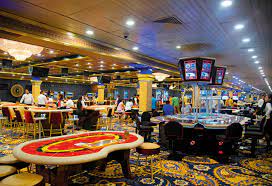
starz spins casino

Understanding the concept of unit betting is crucial within bankroll management. A “unit” typically represents a small, fixed percentage of your total bankroll, often between 1-5%. By betting in consistent units, you avoid the temptation to drastically increase wagers after a loss, which can quickly deplete your funds. This methodical betting pattern helps to smooth out the inherent volatility of casino games and provides a more predictable outcome over time.

Maximizing Value with Casino Bonuses and Promotions

Online casinos like StarzSpins frequently offer attractive bonuses and promotions designed to enhance player engagement and extend gameplay. These can range from welcome bonuses for new players to reload bonuses and free spins for existing patrons. Savvy players understand how to leverage these offers to their advantage, effectively increasing their playing capital without necessarily investing more of their own money.

When utilizing casino bonuses, it is imperative to carefully review the associated terms and conditions. Wagering requirements, game restrictions, and time limits are common stipulations that can impact the real value of a bonus. By understanding these rules, players can make informed decisions about which bonuses to accept and how to best meet the requirements to withdraw any winnings derived from them. StarzSpins often presents clear guidelines for their promotions, aiding players in this process.

Choosing Games for Optimal Capital Growth

Not all casino games are created equal when it comes to their impact on your capital. Games with a lower house edge, such as blackjack played with optimal strategy or certain video poker variants, offer better long-term prospects for players looking to preserve and potentially grow their funds. While games of pure chance like slots can be exciting, their higher house edge means that, statistically, more of the wagered capital is returned to the casino over time.

Furthermore, understanding the volatility of different games is key. High-volatility games can offer larger wins but also come with longer dry spells, meaning your capital could be depleted quickly without significant returns. Low-volatility games, conversely, tend to offer smaller, more frequent wins, which can help maintain your bankroll for longer periods. StarzSpins offers a diverse portfolio, allowing players to select games that align with their risk tolerance and capital management goals.

The Importance of Responsible Gambling Practices

Responsible gambling is paramount to a positive and sustainable casino experience. This involves recognizing the signs of problem gambling and implementing self-exclusion tools or setting deposit limits if necessary. Casinos that prioritize player well-being, such as StarzSpins, often provide resources and support for those who may need assistance, reinforcing the idea that gambling should always be a form of entertainment, not a way to solve financial problems.

Maintaining a clear mindset is also a critical component of responsible gambling. Avoiding playing under the influence of alcohol or when experiencing heightened emotional states like stress or anger can prevent poor decision-making. A calm and focused approach ensures that players can enjoy the games and make rational choices regarding their wagers and playing sessions, safeguarding their casino capital.
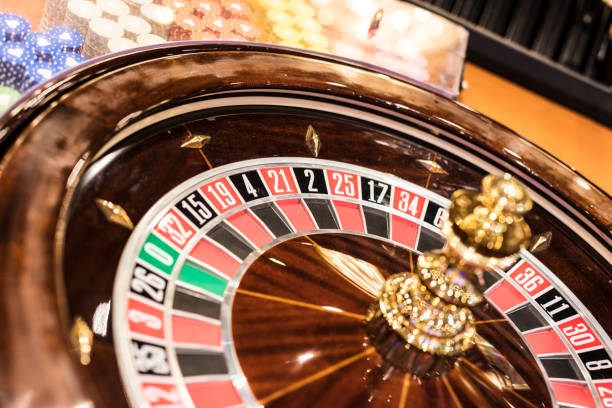
starz spins casino

Experience Premier Gaming at StarzSpins Casino

StarzSpins Online Casino stands as a premier destination for players seeking a secure and engaging gaming environment. The platform is designed to offer a wide selection of exciting casino games, from classic table games to the latest video slots, all developed by reputable providers. This commitment to quality ensures a thrilling experience for every player, with a focus on fair play and user satisfaction.

Players at StarzSpins can also benefit from attractive bonuses and promotions, carefully crafted to enhance gameplay and provide additional value. Coupled with a secure and user-friendly interface, StarzSpins offers a top-tier entertainment experience. By adhering to sound gambling strategies and leveraging the generous offerings at StarzSpins, players can effectively manage their capital while enjoying a rich and rewarding online casino adventure.