Exploring the psychology behind casino gambling
The Allure of Gambling: Understanding the Draw
The psychology behind casino gambling is a captivating and intricate web of human emotions, desires, and cognitive processes. One of the foremost attractions is the thrill derived from uncertainty and chance, making the experience even more enticing when considering options like casino fast withdrawal uk . This excitement stems from the anticipation of winning, which triggers a surge of adrenaline. Many individuals find themselves enchanted by the prospect of a substantial win, often neglecting the harsh realities of the odds, which heavily favor the casino. This allure creates a psychological cycle that can lead to compulsive behavior, as the thrill becomes an addictive experience that keeps players returning for more.
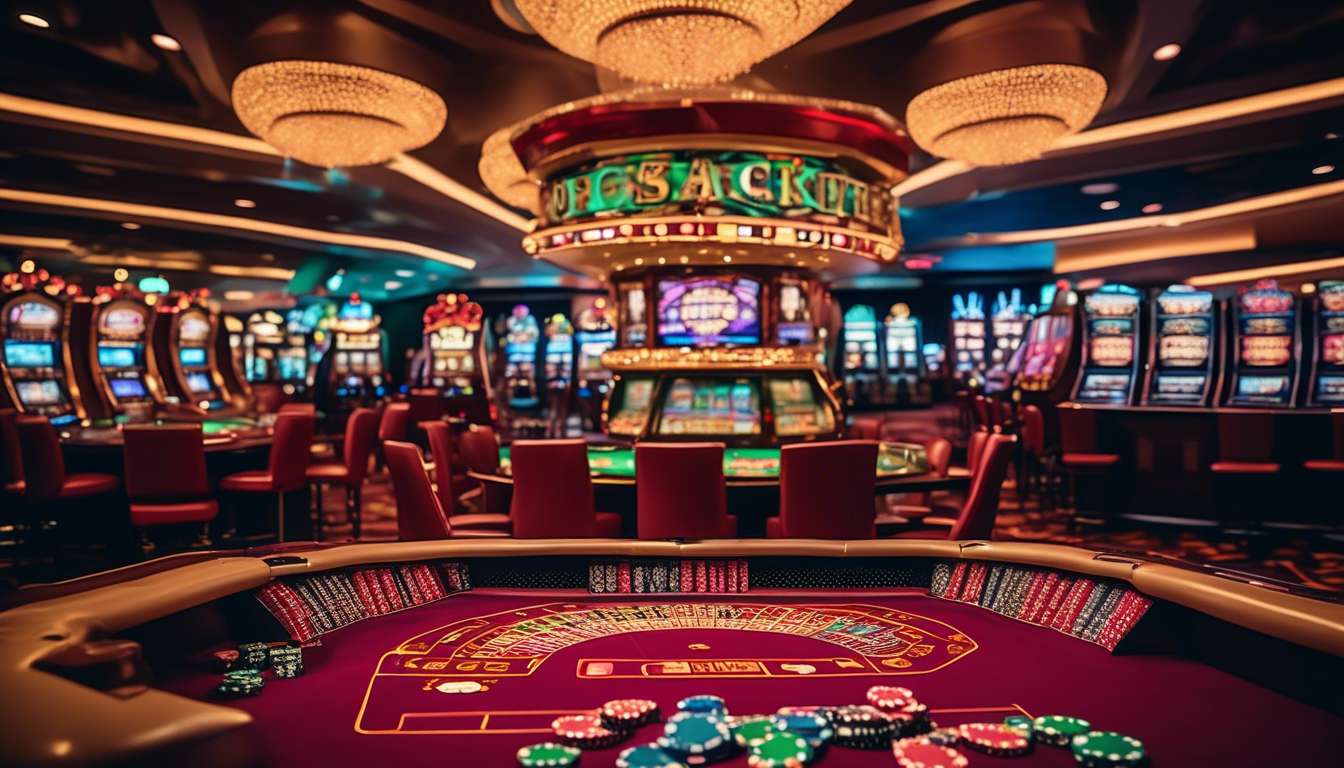
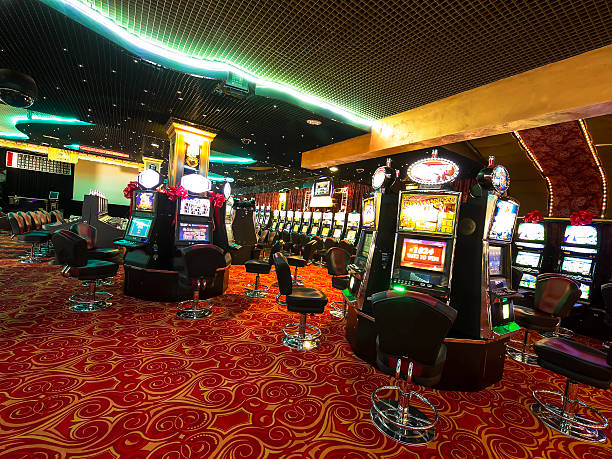
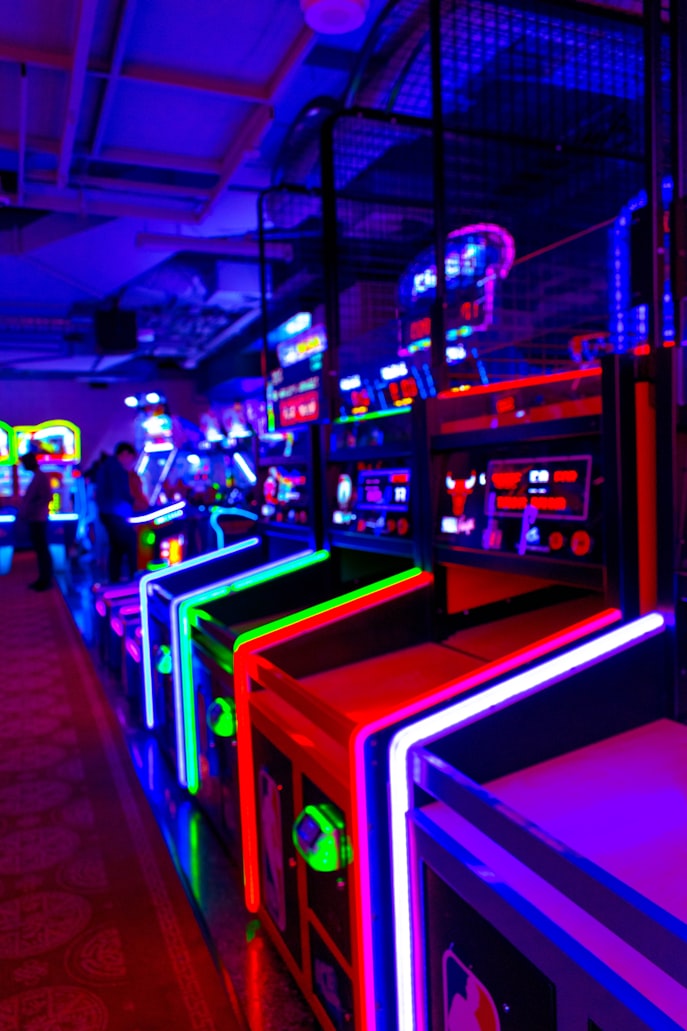
Moreover, the environment of a casino plays an integral role in amplifying this gambling experience. Casinos are meticulously designed to stimulate the senses, featuring dazzling lights, vibrant colors, and a cacophony of sounds that create a lively atmosphere. This sensory overload enhances the excitement and induces a euphoric state, which can lead many to gamble beyond their means. The combination of chance with immediate rewards can evoke strong emotional responses, making it difficult for individuals to resist the pull of gambling, even when faced with potential losses.
Social factors also significantly contribute to the magnetic draw of casinos. The chance to engage with others, whether through table games or shared experiences, fosters a sense of community among players. Many individuals relish the camaraderie that comes from celebrating wins together or providing support during losses. This communal aspect reinforces the positive emotions associated with gambling, deepening the psychological investment in the activity. The interplay of personal thrill and social engagement further compels individuals to revisit casinos, creating a cycle that can be hard to break.
The Role of Cognitive Biases in Gambling Behavior
Cognitive biases are crucial in shaping gambling behaviors, often leading individuals to make decisions that defy logical reasoning. One of the most prevalent biases is the illusion of control, where gamblers believe they can influence outcomes in games of chance. This false belief often results in riskier behaviors, such as chasing losses or increasing bets in hopes of recovering past losses. The cognitive dissonance created by these choices can obscure the reality of gambling’s inherent risks, making it difficult for individuals to recognize the detrimental effects of their actions.
Another common cognitive bias influencing gambling behavior is the availability heuristic. This mental shortcut leads individuals to judge the likelihood of events based on recent experiences rather than objective statistics. Gamblers tend to vividly recall their wins while conveniently forgetting their losses, which skews their perception of the odds. This selective memory breeds a false sense of confidence, encouraging continued gambling despite the underlying risks. Consequently, this cognitive distortion can perpetuate a cycle of gambling, where flawed beliefs about luck and skill dominate decision-making.

The concept of reinforcement schedules plays a vital role in gambling psychology. Casinos often employ intermittent rewards, where wins occur unpredictably and at varying intervals. This unpredictable reinforcement encourages players to continue gambling, as they associate the possibility of future wins with ongoing play. The psychological conditioning involved in this process mirrors patterns seen in addiction, making it challenging for individuals to disengage from gambling behaviors, even when faced with negative consequences. Understanding these cognitive biases is essential for recognizing the underlying psychological mechanisms that drive gambling behavior.
The Emotional Rollercoaster of Gambling
The emotional landscape of gambling is incredibly varied, oscillating between exhilaration, hope, disappointment, and even despair. Winning streaks can evoke euphoric highs, akin to those produced by substances that alter mood, while losses can lead to feelings of deep sadness or frustration. This emotional volatility can significantly contribute to compulsive gambling behavior, as individuals often seek to recreate the highs experienced during wins or escape from the lows associated with losses. Such emotional fluctuations can create a cycle where the desire to feel good outweighs the reality of potential financial and emotional harm.
In navigating these complex emotional experiences, gamblers often employ a range of emotional management strategies, both constructive and detrimental. For some, gambling serves as a form of escapism, allowing them to momentarily forget their problems. However, this coping mechanism can be dangerous, as it prevents individuals from confronting underlying issues, thus perpetuating reliance on gambling for emotional relief. This avoidance can lead to increased gambling behavior, further entrenching personal problems and exacerbating emotional distress.
Implementing responsible gambling practices can play a pivotal role in mitigating the emotional extremes associated with gambling. Recognizing personal limits, establishing budgets, and knowing when to walk away are essential skills for maintaining a healthier relationship with gambling. By cultivating emotional awareness and self-control, individuals can experience the thrill of gambling without succumbing to the potentially harmful psychological patterns that can develop over time. This balanced approach can enhance the enjoyment of the activity while minimizing its adverse effects.
The Impact of Marketing and Casino Design on Gambling Psychology
The psychological influence of casino marketing and design is profound and cannot be overlooked. Casinos utilize advanced marketing strategies to create an inviting yet thrilling atmosphere that captures the attention of potential patrons. Promotional campaigns frequently spotlight big wins and success stories, reinforcing the notion that fortune is just around the corner. When coupled with captivating visuals and enticing sounds, this marketing creates an irresistible environment that can lead individuals to gamble more than they initially intended, entrapping them in a cycle fueled by hope and excitement.

Furthermore, the physical layout of a casino is meticulously crafted to enhance gambling activity. The deliberate absence of clocks and windows, combined with dim lighting, creates a timeless ambiance that encourages patrons to lose track of time. This design strategy serves to extend gambling sessions, as players become engrossed in the immersive experience. Additionally, the strategic placement of games and machines ensures that high-traffic areas feature the most popular options, drawing players in and maintaining their engagement. This careful orchestration of the casino environment maximizes the potential for increased gambling activity.
The social dimensions of casino experiences, promoted through events and communal spaces, further enhance the psychological dynamics at play. Special promotions, gaming tournaments, and themed nights cultivate a sense of urgency and excitement, motivating individuals to participate. This fusion of social interaction and marketing not only elevates the gambling experience but also fosters a sense of belonging within the gambling community. Recognizing the psychological implications of marketing strategies and casino design can help individuals better understand their motivations for gambling and the forces that drive their behavior.
Understanding Gambling through Resources and Support
To gain a comprehensive understanding of the complex psychology behind gambling, accessing accurate information, support systems, and responsible gambling resources is essential. Numerous organizations and platforms provide valuable insights into gambling behavior, helping individuals comprehend their motivations and identify when gambling may be crossing into problematic territory. These resources can include educational materials, workshops, and counseling services for those seeking assistance with gambling-related issues.
Websites dedicated to responsible gambling often offer tools to help players set personal limits and recognize the signs of gambling addiction. These resources empower individuals to make informed choices, fostering a healthier relationship with gambling activities. Support groups can also play a crucial role in providing community and shared experiences, helping individuals feel less isolated and more understood in their struggles. Acknowledging the significance of these resources can be pivotal in promoting responsible gambling practices and enhancing overall well-being.
Moreover, engaging with informative materials allows individuals to develop healthier coping strategies. By addressing the emotional and psychological aspects of gambling, individuals can work towards a clearer understanding of their relationship with gambling. Ultimately, a robust support network, along with access to relevant resources, can significantly impact how individuals navigate the complexities of casino gambling, leading to more fulfilling and responsible experiences. By fostering awareness and understanding, players can enjoy the excitement of gambling while minimizing its potential harms.