Uncovering the psychology behind casino gambling
The thrill of risk-taking
Casino gambling thrives on the allure of risk, which can be understood through various psychological concepts. The excitement of uncertainty and the potential for substantial rewards create a compelling environment for gamblers. Many individuals are drawn to the adrenaline rush associated with placing bets, coupled with the allure of winning large amounts of money at australian online casino . This combination fosters a unique blend of anticipation and anxiety, driving players to engage more than they might have initially planned. The thrill of the gamble becomes a significant motivator, leading to repeated visits and increased wagers.
The psychological principle of reinforcement is pivotal in understanding this phenomenon. When a player wins, they often experience a surge of euphoria, reinforcing the behavior and prompting them to gamble again in hopes of recreating that success. The unpredictable nature of casino games activates the brain’s reward system, making the risk feel justified even when losses occur. This cycle can lead to compulsive gambling, as individuals become increasingly focused on the adrenaline rush and rewards associated with their bets, often disregarding the potential for negative consequences.
The environment of a casino further amplifies this thrill. The bright lights, vibrant sounds, and presence of other enthusiastic gamblers create an atmosphere that enhances emotional engagement. This sensory overload can lead to impulsive decisions, as the excitement of the moment often outweighs rational thought. Thus, the interplay of psychological factors and environmental cues significantly contributes to the magnetic appeal of casino gambling, making it an exhilarating yet potentially hazardous activity for many individuals.
Illusions of control
The illusion of control is a captivating psychological aspect frequently observed in casino gambling. Gamblers often believe they can influence the outcomes of games through their actions or strategies, even in games that are purely chance-based, such as slot machines. This misconception reflects a psychological phenomenon where individuals overestimate their ability to control random events, which can lead to increased gambling frequency and higher stakes. The belief that they have some power over the outcome can fuel a gambler’s desire to continue playing.
This illusion becomes even more pronounced in skill-based games like poker or blackjack, where players can employ strategies to improve their odds. However, even the most skilled players cannot guarantee victory. This paradox creates a dynamic where the belief in control can spur further gambling, resulting in a cycle of increased risk-taking and potential financial harm. The more individuals engage with these games, the stronger their conviction in their ability to influence outcomes becomes, often leading to detrimental gambling behaviors.

Cognitive biases also play a substantial role in perpetuating this illusion. The “gambler’s fallacy,” for example, leads players to believe that past outcomes will influence future results. If a specific number hasn’t come up in roulette recently, players may irrationally conclude it’s “due” to appear. Such misconceptions can perpetuate gambling behavior, as individuals cling to the hope that their perceived control will eventually yield a win, despite overwhelming odds suggesting otherwise. Understanding these psychological factors is crucial in addressing gambling behavior and fostering responsible practices.
Social influences and peer pressure
The social dynamics surrounding gambling are vital to understanding its psychological aspects. Many individuals are introduced to gambling through social circles, whether friends, family, or group activities. This social pressure can create a sense of belonging and shared experience, drawing people into casinos where they can engage with others in a lively atmosphere. Consequently, gambling is often perceived not merely as a solitary endeavor but as a social activity that fosters connections and camaraderie.
The shared excitement of gambling can amplify the thrill associated with risk and reward. Players may feel emboldened in groups, leading to higher stakes and more daring bets. Social validation from peers can serve as a powerful motivator, encouraging individuals to gamble beyond their usual limits. The collective experience of winning or losing together creates memorable moments that participants may wish to replicate, reinforcing their gambling behavior and potentially leading to excessive play.
However, the influence of social circles can produce both positive and negative outcomes. While communal gambling may promote healthy recreational habits, it can also lead to problematic gambling behavior, especially among younger players who feel a stronger need for acceptance. The desire to fit in or impress peers can push individuals toward excessive gambling, making it crucial to understand these social dynamics. Addressing these influences is essential for promoting responsible gambling practices and ensuring individuals make informed choices regarding their gambling activities.
The role of emotion and mood states
Emotions significantly drive gambling behavior, as many individuals turn to casinos as a means of escaping stress, anxiety, or depression. The thrill of gambling can provide a temporary lift in mood, serving as a coping mechanism for negative emotions. This connection between emotional states and gambling reveals deeper psychological motivations that may not be immediately apparent. Understanding these emotional triggers can provide valuable insights into why individuals engage in gambling.
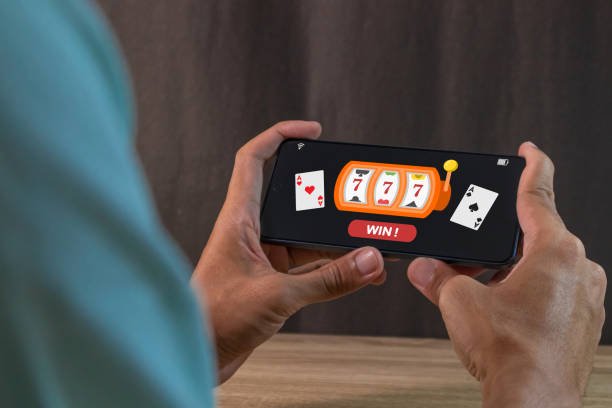
Winning can create a euphoric state, reinforcing the desire to gamble again. However, this emotional rollercoaster often leads to cycles of highs and lows, where the initial thrill of a win may be followed by the disappointment of losses. These emotional fluctuations can complicate an individual’s ability to recognize when their gambling has turned problematic, as the desire to recapture that initial excitement may overshadow rational decision-making. This interplay between emotions and gambling behavior is crucial for recognizing the potential for addiction and harmful consequences.
Recognizing the relationship between emotions and gambling can inform strategies for promoting responsible gambling. By identifying triggers that lead individuals to gamble as a form of emotional relief, healthier coping mechanisms can be developed. Striking a balance between recreational gambling and emotional well-being is essential for maintaining control over gambling habits and minimizing the risk of addiction. Understanding these emotional connections can empower individuals to make more conscious choices about their gambling activities.
Understanding responsible gambling practices
Given the psychological complexities surrounding casino gambling, promoting responsible gambling practices is essential. Awareness and education are critical tools that can empower individuals to understand their motivations for gambling and recognize warning signs of problematic behavior. Effective strategies can help players make informed decisions, set personal limits, and cultivate healthier attitudes toward gambling, ensuring that it remains a source of entertainment rather than a source of distress.
Many casinos are increasingly offering resources for responsible gambling, such as self-exclusion programs and support services for those grappling with gambling addiction. These initiatives aim to create a safer gaming environment by providing access to information and resources. Community outreach programs can also play a vital role in raising awareness about the psychological dimensions of gambling, helping individuals identify when they may need assistance. By fostering a culture of responsibility, the gambling community can mitigate risks and promote healthier gambling habits.
Ultimately, understanding the psychological triggers behind gambling behavior is crucial for developing targeted interventions and support systems. By prioritizing responsible gambling practices, individuals can enjoy the thrill of gaming while minimizing adverse impacts on their lives. Promoting a culture that values responsibility and awareness is essential for ensuring that gambling remains a safe and enjoyable activity for everyone involved.
